
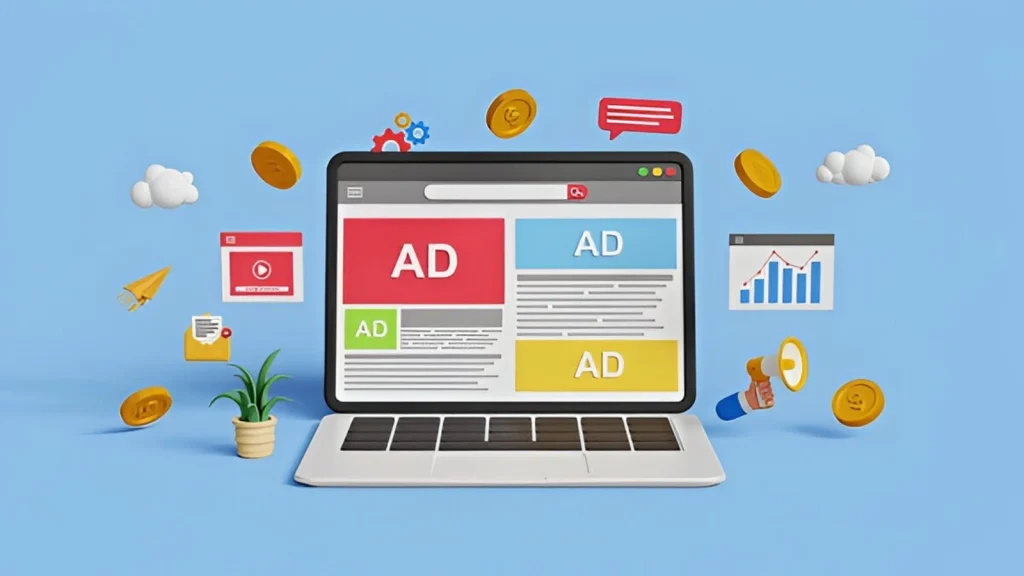
In the digital publishing world, revenue rarely moves in a straight line. Advertising budgets shift, seasonal demand fluctuates, and economic slowdowns impact campaign spending. During such periods, Display Monetization plays a critical role in helping publishers maintain stability. Instead of depending on a single advertiser or revenue stream, publishers who invest in strong Display Monetization strategies build flexibility, control, and long-term resilience.
How Display Monetization Protects Revenue During Uncertain Market Cycles
Market fluctuations are inevitable. Advertising budgets shift, seasonal demand changes, and economic conditions impact spending. However, publishers that diversify demand sources and optimize their ad stack are better prepared to handle volatility. Display Monetization connects publishers to multiple demand partners through programmatic channels, direct deals, and private marketplaces. As a result, when one revenue stream slows, others help maintain balance.
In addition, smart pricing strategies such as floor management and dynamic allocation protect yield. Instead of selling inventory at lower rates during weak demand, publishers can adjust pricing based on real-time data. By monitoring CPM trends and buyer activity, they make timely adjustments. Consequently, revenue remains more stable even during uncertain market cycles.
Why Display Monetization Is More Than Just Filling Ad Slots
Many assume monetization simply means placing ads on a webpage. Display Monetization requires planning, testing, and ongoing optimization. Publishers who track metrics such as fill rate, viewability, engagement, and CPM trends gain clearer insight into performance. Especially during uncertain periods, this data helps them respond quickly instead of reacting late.
For instance, if certain ad formats generate lower returns, layout adjustments or format changes can improve results. At the same time, maintaining a balance between ad density and user experience protects audience retention. As a result, steady traffic combined with optimized placements supports more consistent revenue, even when advertiser demand fluctuates.
Learn more: Display Ads: What They Are, Its Types and How They Work
Diversification as the Foundation of Revenue Stability
Revenue stability begins with diversification. Publishers who depend heavily on a single ad network often experience sudden drops when demand shifts or advertiser budgets tighten. In contrast, Display Monetization strategies that combine multiple exchanges, header bidding partners, and direct advertiser relationships distribute risk more effectively. When one source weakens, alternative demand channels help maintain consistent fill rates and revenue flow.
Geographic diversification further strengthens protection. If advertiser demand slows in one region due to seasonal or economic factors, campaigns from other markets can sustain performance. This layered approach reduces overdependence on a single buyer or geography. As a result, revenue becomes more balanced, predictable, and resilient during volatile market cycles.
Data Driven Display Monetization Reduces Revenue Risk
Resilient publishers rely on structured analysis rather than assumptions. Display Monetization provides actionable insights into CPM trends, engagement patterns, inventory performance, and buyer behavior. By monitoring these indicators regularly, publishers can detect early signals of decline and respond before revenue is significantly affected.
For example, if certain content categories show falling returns, pricing floors can be adjusted, or inventory packaging can be optimized. Likewise, high performing placements and formats can be prioritized to strengthen yield. Consequently, decisions become strategic and forward looking rather than reactive, which reduces overall revenue risk.
User Experience as a Long-Term Revenue Safeguard
Short term pressure sometimes encourages publishers to increase ad density aggressively to compensate for lower CPMs. However, this approach can negatively impact page load speed, engagement, and audience retention. Sustainable Display Monetization focuses on maintaining a healthy balance between monetization and user satisfaction.
By preserving clean layouts, fast performance, and relevant targeting, publishers protect audience loyalty. Since consistent traffic and engagement directly influence advertiser confidence, a strong user experience supports both short term performance and long-term resilience. Over time, this balance creates stable revenue growth rather than temporary spikes.
Technology and Automation for Greater Agility
Automation strengthens operational flexibility. Real-time bidding systems, yield optimization tools, and automated reporting reduce dependency on manual intervention. This allows publishers to respond quickly to fluctuations in demand, pricing changes, and buyer activity without disrupting workflow.
In addition, predictive analytics tools provide visibility into seasonal patterns and revenue cycles. With automated alerts and forecasting models, publishers can plan instead of reacting under pressure. As a result, technology-driven Display Monetization improves agility and enhances revenue control during uncertain periods.
Display Monetization as a Structured Revenue Framework
True resilience requires more than tactical adjustments. It demands structured processes, continuous optimization, and strategic oversight. Display Monetization connects inventory management, pricing intelligence, audience insights, and advertiser demand into a unified framework that supports long term sustainability.
When implemented consistently, it transforms revenue from unpredictable to measurable and manageable. Even during economic slowdowns or industry disruptions, publishers with a strong Display Monetization foundation maintain steadier income streams and greater operational confidence.
Display Monetization as the Foundation of Publisher Resilience
In volatile markets, stability becomes a truly competitive advantage. Display Monetization strengthens publisher resilience by diversifying demand sources, optimizing yield strategies, protecting user experience, and enabling data-driven decision making. Rather than depending on a single advertiser or network, publishers create a balanced ecosystem that absorbs sudden revenue fluctuations more effectively.
Instead of reacting defensively during market downturns, publishers with structured Display Monetization strategies adapt with confidence. By continuously analyzing performance metrics, adjusting pricing intelligently, and maintaining audience trust, they sustain revenue performance over time. As a result, Display Monetization becomes not just a revenue tactic but a long-term foundation for business stability and growth.
FAQs
1. What is Display Monetization
Display Monetization refers to generating revenue from display advertisements placed on websites or digital platforms through optimized strategies and demand partnerships.
2. How does Display Monetization help during market slowdowns
It diversifies revenue sources, improves pricing control, and allows quick adjustments based on demand fluctuations.
3. Why is diversification important in monetization
Relying on one advertiser or network increases risk. Multiple demand sources create stability.
4. Does increasing ad quantity improve resilience
Not necessarily. Balanced ad placement combined with strong user experience ensures sustainable revenue.
5. Can small publishers benefit from Display Monetization
Yes. Even smaller publishers can improve stability by optimizing placements, analyzing data, and diversifying demand partners.
Visit eRGADX.com to explore how advanced Display Monetization strategies can strengthen your revenue and future proof your publishing business.